


22 Jun Navigating social dynamics in the world of gambling
Navigating social dynamics in the world of gambling
The Evolution of Gambling Social Interactions
Gambling has long been a social activity, with its roots tracing back to ancient civilizations. The evolution of this pastime has significantly transformed its social dynamics, particularly with the rise of online gaming platforms. In traditional land-based casinos, social interaction is immediate and face-to-face, allowing players to engage in lively conversations, form friendships, or even rivalry. This interpersonal interaction adds a layer of excitement and community to the gambling experience, making it more than just about winning or losing. Additionally, players can explore games like the exciting Jumper Crush Game at jumper.games, connecting with others through shared gameplay experiences.
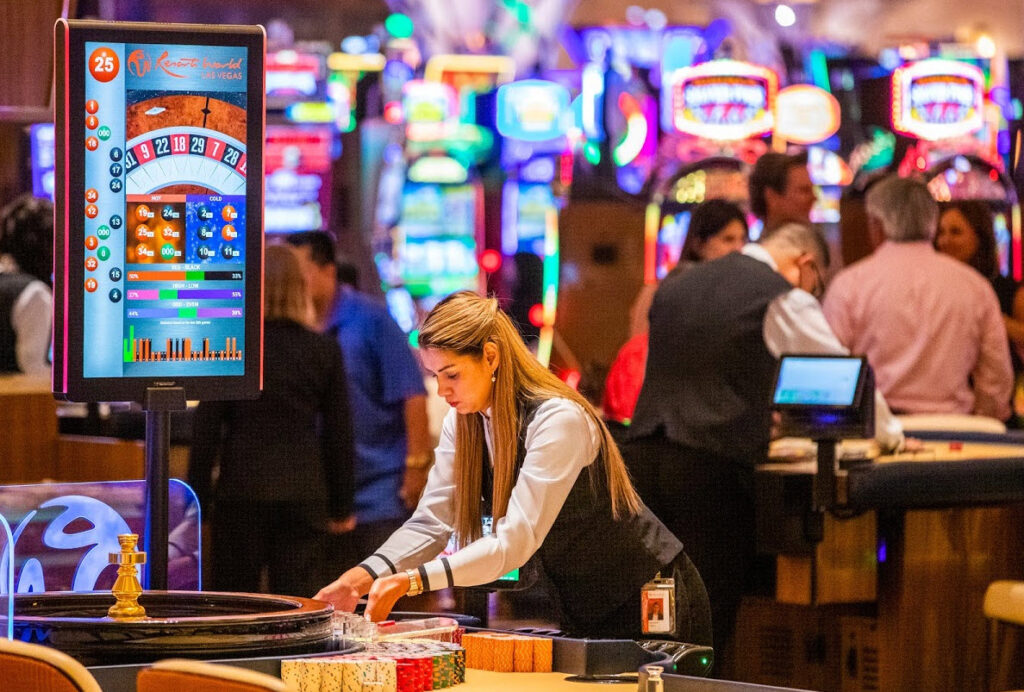
Online gambling has disrupted these traditional norms, introducing a digital layer that can both enhance and complicate social dynamics. While players can engage with others from around the world through chat features and social media integration, the lack of physical presence can lead to a sense of anonymity. This anonymity can embolden behaviors that may not occur in person, such as excessive bragging or trolling. As a result, navigating social interactions in online casinos requires players to be mindful of their communication styles and emotional responses.
Understanding these evolving dynamics is essential for creating a healthy gambling environment. Whether participating in a high-stakes poker game at a local casino or playing a slot machine from home, players must balance their competitive instincts with an understanding of social cues. Effective communication, emotional intelligence, and respect for others can enhance the gambling experience, allowing players to enjoy both the game and the camaraderie that accompanies it.
The Role of Technology in Shaping Social Experiences
Technology has drastically reshaped how gamblers interact with each other. In land-based casinos, players often engage in face-to-face conversations, share strategies, and build relationships based on trust and common interests. The tactile experience of handling chips and cards in a lively atmosphere fosters a unique social bond that many players cherish. This immersive environment provides valuable non-verbal cues, such as body language and facial expressions, which can enhance understanding and empathy among players.
Conversely, online gambling environments are characterized by avatars and screen names that often detach players from their true identities. This shift can lead to a different type of interaction, one that may be less personal but can still foster community. Many online platforms have adopted features such as live dealer games and interactive chat rooms, which simulate the feel of a physical casino. Players can still communicate, share experiences, and build virtual friendships, albeit in a more indirect manner.
However, this digital interaction also comes with its own set of challenges. The anonymity of online gambling can sometimes result in negative behavior, such as cheating or inappropriate remarks. Navigating these social dynamics requires a level of awareness and adaptability from players, who must be prepared to engage thoughtfully, regardless of whether they’re playing in-person or online. As technology continues to evolve, so too will the social landscape of gambling.
Building Community in Online Gambling
The concept of community is vital in any gambling context, but it takes on different forms in online settings. Players often seek out online casinos that foster community engagement, offering forums, social media connections, and interactive gaming experiences. Some platforms even organize virtual events, tournaments, and competitions that allow players to connect and collaborate with others, thereby creating a sense of belonging that is crucial for enhancing the overall gambling experience.
Establishing relationships within the gambling community can provide players with much-needed support, advice, and camaraderie. The online environment allows players to share strategies and tips, which can be especially beneficial for beginners looking to navigate the complexities of various games. This sense of community can make the online gambling experience less isolating and more enjoyable, transforming a solitary activity into a shared adventure.
However, creating a positive online community requires a commitment to respectful and constructive interactions. Players should be encouraged to engage positively, share their experiences, and promote an atmosphere of mutual respect. Casino operators also have a role to play in establishing guidelines and moderation to ensure that the online community remains inclusive and welcoming. By fostering an environment where players feel valued and supported, the gambling experience can be significantly enhanced for everyone involved.
Challenges of Competition and Fair Play
Competition is an inherent aspect of gambling, but it can lead to tension and conflict in social settings. In land-based casinos, rivalries can emerge at poker tables, especially during high-stakes games. These tensions can either enhance the thrill of competition or lead to negative interactions among players. Understanding how to navigate these dynamics—whether through good sportsmanship or communication—is critical to maintaining a positive environment.
Online gambling, while providing a broader platform for competition, presents its own unique challenges. Players often find themselves competing against not just their peers but also algorithms and sophisticated gaming software. This factor can lead to frustration and can distort perceptions of fairness. Players must cultivate a mindset that embraces competition while recognizing that the outcome of games is often based on a mixture of skill and chance.
Promoting fair play is essential in managing the competitive dynamics of gambling. Players should be encouraged to respect their opponents, accept losses gracefully, and celebrate wins modestly. Casinos and gaming platforms must also take responsibility for ensuring a level playing field, enforcing rules and regulations that uphold integrity and fair competition. By cultivating an atmosphere of respect and fairness, players can enjoy a richer, more engaging gambling experience.

Conclusion: Embracing the Social Elements of Gambling
Navigating the social dynamics of gambling—whether in traditional casinos or online—requires awareness, respect, and adaptability. As technology continues to influence these interactions, players must be mindful of how their behavior affects not only their experience but also that of others. Engaging positively, building community, and promoting fair competition are essential components of a healthy gambling environment.
Understanding these social dynamics can enhance the overall enjoyment of gambling, allowing players to not only pursue potential winnings but also foster connections and friendships. The essence of gambling transcends mere luck; it is also about the relationships formed and the shared experiences created along the way. By embracing the social aspects of gambling, players can truly enrich their journeys and create lasting memories in the world of gaming.
No Comments